What Not to Flush: Wet Wipes, Fatbergs and the 2027 Ban
By the Urgent Drainage Solutions teamPublished Updated 5 min read
Only pee, paper and poo belong in the toilet. Why wipes cause most sewer blockages, what the plastic wet wipes ban changes and what to bin instead.
Only flush the 3 Ps: pee, paper (toilet paper) and poo. Everything else, including wet wipes labelled "flushable", belongs in the bin. Water UK says wet wipes cause 94% of blockages and that clearing wipe blockages costs £200m a year. From 19 May 2027, wet wipes containing plastic can no longer be sold in England.
What can you safely flush?
The water industry's advice is the 3 Ps. Severn Trent says drains and sewers are "only designed to carry human waste, wastewater and loo roll" (Severn Trent). Toilet paper is made to break up quickly in water. Almost everything else in the bathroom is designed to stay strong when wet, which is exactly why it causes trouble in pipes.
Why are wet wipes such a problem?
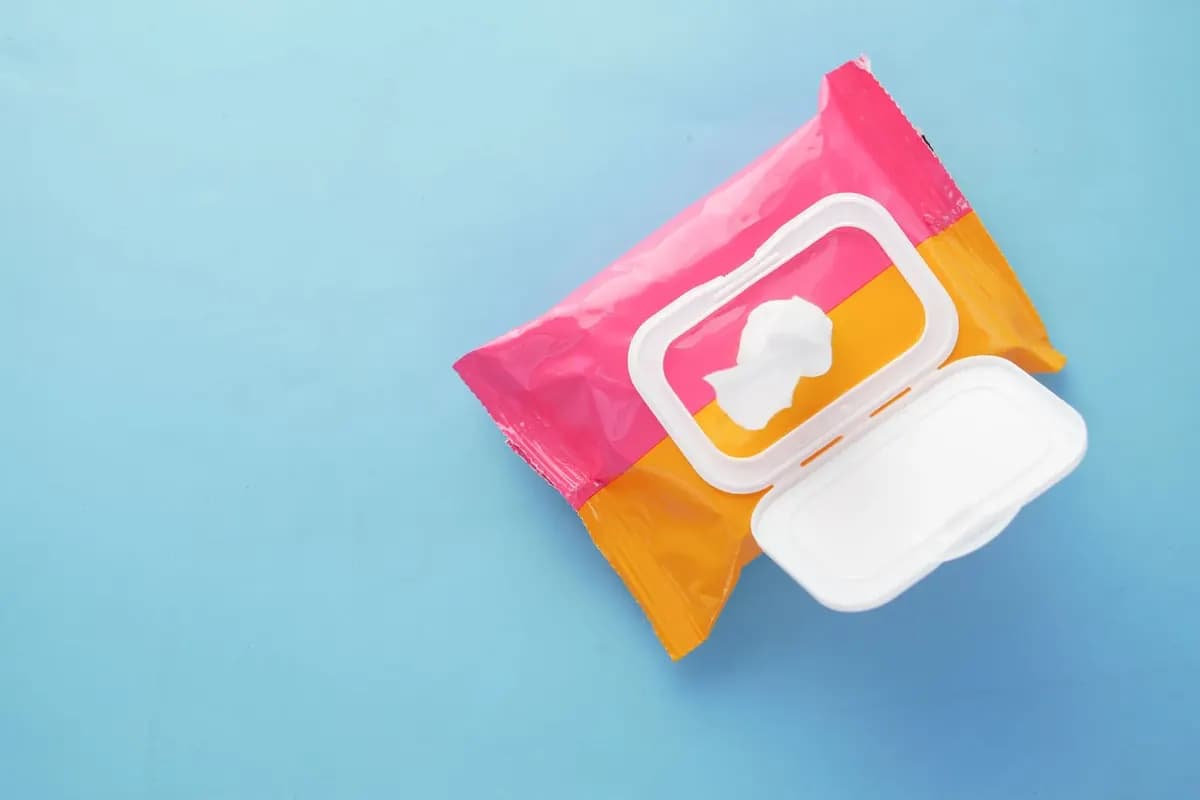
Wet wipes don't break down like toilet paper. They snag on rough joints, tree roots and debris, collect fat and other waste, and build into solid blockages, first in your own drain and then in the public sewer.
According to Water UK:
- 94% of blockages are caused by wet wipes;
- around 2.9 billion wipes are flushed every year;
- removing wipe blockages costs about £200 million a year.
These figures come from Water UK's unflushables factsheet and its fighting fatbergs page.
The local picture is similar. Severn Trent, the sewerage company for Nottinghamshire and most of Derbyshire and Leicestershire, says it cleared around 30,000 blockages in 2024 and asks customers to "be a binner, not a blocker" (Severn Trent). Anglian Water, which serves most of Lincolnshire, reported clearing more than 35,000 blockages in a year, said blockages cause 80% of its sewer flooding, and estimated that about 500,000 wipes are flushed in its region every day (Water Magazine).
Is "Fine to Flush" still a thing?
No. Water UK ended its Fine to Flush certification in March 2024 (Water UK), so don't rely on that logo on older packets, or on any "flushable" claim. The safest rule is to bin every wipe, whatever the label says.
What is the plastic wet wipes ban?
The government is banning the supply and sale of wet wipes that contain plastic. The ban starts in England on 19 May 2027 and in Wales on 18 December 2026 (gov.uk). Check the government guidance for the detail, including any exemptions.
The ban tackles plastic pollution, but it won't make wipes flushable. A plastic-free wipe is still built to hold together when it's wet, so it can still block a drain. Keep binning them after the ban comes in.
What else should never go down the toilet?
| Item | Why it causes trouble | What to do instead |
|---|---|---|
| Wet wipes of any kind, including "flushable" | Don't break down; snag and bind with fat | Bin |
| Sanitary pads, tampons and applicators | Made to absorb and swell | Wrap and bin |
| Nappies and nappy liners | Swell and wedge in pipes | Bin |
| Cotton buds, cotton wool and dental floss | Tangle and catch other waste | Bin |
| Kitchen roll and tissues | Stronger than toilet paper when wet | Bin |
| Condoms | Don't break down | Bin |
| Hair | Forms mats that trap waste | Bin |
| Cooking fat, oil and grease | Sets hard and helps build fatbergs | Cool, scrape and bin |
| Cat litter | Clumps and sets | Bin |
| Medicines | Can pollute the water environment | Take back to a pharmacy |
In the kitchen, the biggest culprits are fat, oil and grease, food scraps and coffee grounds. Our guide to keeping your kitchen sink clear covers those in detail.
What is a fatberg?
A fatberg is a mass of congealed fat, oil and grease bound together with wet wipes and other things that should never have been flushed. Fatbergs form in public sewers, but the same process happens on a smaller scale in household drains: grease coats the pipe, wipes catch on it, and the blockage grows until water can't get past.
Why do older drains block more easily?
Many older homes still drain through clay pipes. Over the years their joints can crack, open up or shift out of line, and tree roots can find their way in. Each rough edge or root gives a wipe something to catch on, and every wipe that snags traps the next one. That's why a house can flush the same things as its neighbours for years and then suddenly block. If your drain blocks repeatedly, a CCTV drain survey shows whether damage is part of the problem.
Is it illegal to flush wipes?
It can be. Anglian Water points out that putting anything likely to block a sewer down the toilet or sink is an offence under section 111 of the Water Industry Act 1991, and it runs a "Just Bin It" campaign to explain why (Water Magazine). Just as importantly, a blockage in your own drain is your cost to clear, and a blockage in a shared pipe can flood your neighbours too.
Simple habits that prevent blockages
- Put a small lidded bin in every bathroom so binning is the easy option.
- Make sure everyone in the house, including children and guests, knows the 3 Ps.
- If you use a lot of toilet paper, flush part-way through rather than sending it all down at once.
- Pour cooled cooking fat into a container and bin it.
- Fit strainers to sinks and showers to catch food and hair.
- If you're a landlord, add a short note about wipes to your tenant welcome pack.
What to do if your toilet is blocked
- Stop flushing, because each flush adds water that may overflow.
- Put on rubber gloves and lay old towels around the base.
- Try a toilet plunger, using firm, steady pushes.
- Don't pour in drain chemicals, and never mix different cleaners; they can splash, react and give off fumes.
- If you can open it safely, check the outside inspection chamber. If it's full, the blockage is further down the drain. Don't lift heavy or stuck covers.
- Ask your neighbours whether their drains are slow. If they are, the blockage may be in a shared sewer, which you should report to your water company (Severn Trent: 0800 783 4444).
Our guide to who is responsible for a blocked drain explains when the water company should deal with it.
When to call a professional
If the toilet won't clear with a plunger, keeps blocking, or the outside chamber is filling up, call a drainage engineer. We clear blocked drains and toilets across Nottinghamshire, Derbyshire, Leicestershire and Lincolnshire, from £95 + VAT, with no call-out fee and the price agreed before we start.
For drains that block again and again, high-pressure drain jetting and a camera check can find the wipes, fat or damage further down the line. We're open 7 days a week, 6am–8pm, with emergency call-outs 365 days a year. Book online or call 07300 600 950.
Sources
- Unflushables factsheet (Water UK, PDF)
- Fighting fatbergs (Water UK)
- Fine to Flush certification to end (Water UK)
- Plastic wet wipes ban (gov.uk)
- Blocked drains (Severn Trent)
- Be a binner, not a blocker (Severn Trent)
- Anglian Water finds more than 18,000 unflushables (Water Magazine)
- Water Industry Act 1991, section 111 (legislation.gov.uk)
Frequently Asked Questions

Need A Drainage Engineer?Book Online Today