
Fat, Oil and Grease: How to Keep Your Kitchen Sink Clear
By the Urgent Drainage Solutions teamPublished Updated 5 min read
Fat, oil and grease set hard in pipes and build into blockages. How to get rid of them, simple sink habits, warning signs and advice for commercial kitchens.
The best way to keep a kitchen sink clear is to keep fat, oil and grease (often shortened to FOG) out of it. Let cooking fat cool, scrape it into the bin, wipe greasy pans with kitchen roll before washing up, and use a sink strainer. Hot water and washing-up liquid don't stop grease setting further down the pipe; they only move the problem along.
Why do fat, oil and grease block drains?
Warm fat looks harmless going down the plughole, but it cools as it travels. It sets on the pipe walls, narrows the bore and catches food scraps, coffee grounds and anything else passing through. Over time the coating thickens until water drains slowly, and eventually not at all. Checkatrade lists food waste, coffee grounds, hair and soap residue among the common causes of blocked drains, and all of them cling more readily to a pipe that is already coated in grease.
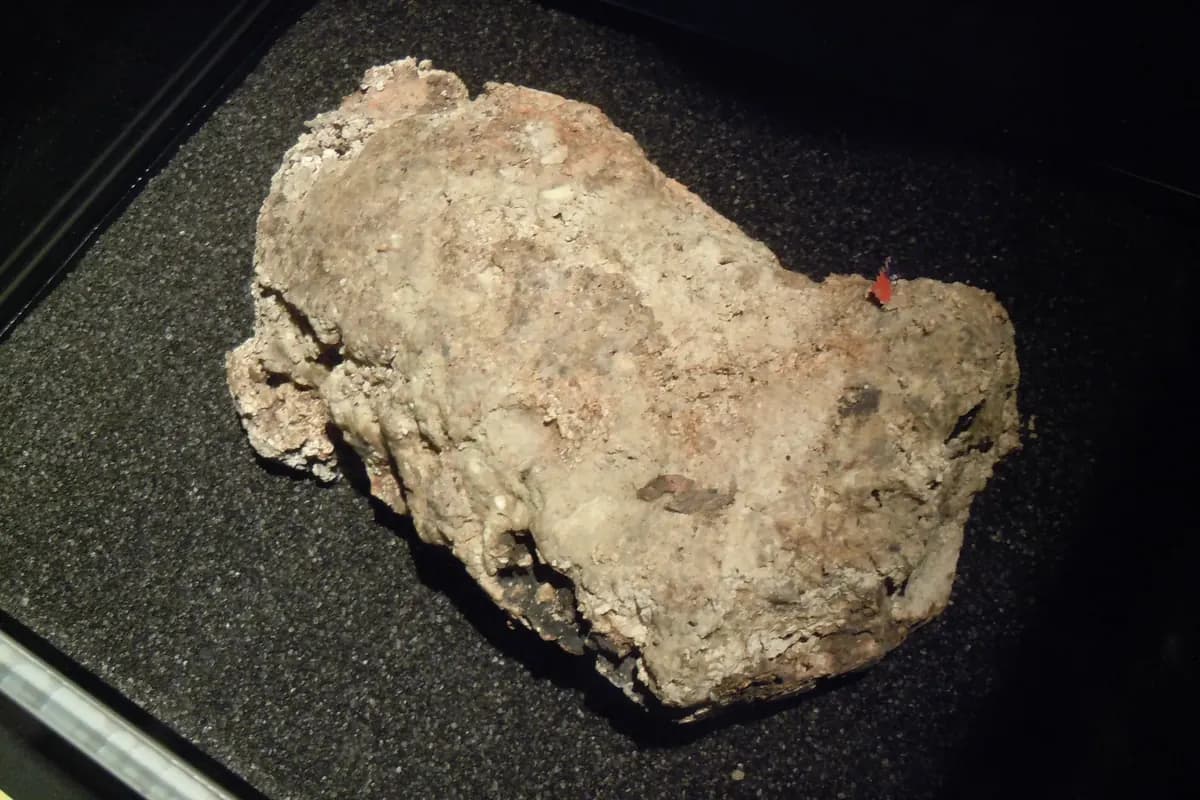
In the public sewer, that grease combines with wet wipes and other things that shouldn't be flushed to form fatbergs. Water UK's fighting fatbergs campaign explains how they build up, and the photo at the top of this guide shows a fatberg sample displayed at the Museum of London. Water companies in our area run their own campaigns: Severn Trent asks customers to "be a binner, not a blocker" (Severn Trent), and Anglian Water's message is "Just Bin It" (Water Magazine).
Do hot water and washing-up liquid help?
Not for long. Hot water and detergent push grease further along the pipe, where it cools and sets anyway, often in the outside gully or the underground drain, which is harder to reach. Use them for cleaning, not as a way to get rid of fat.
The same goes for butter, meat juices, gravy, sauces, salad dressings and dairy. Anything that contains fat will behave the same way once it cools.
How should you dispose of cooking fat and oil?
- Let it cool in the pan or roasting tin.
- Scrape or pour it into an old jar, tin or container, or soak it up with kitchen roll.
- Bin it with general waste once it's solid, or put it in your food waste caddy if your council accepts fat. Check your council's rules.
- Wipe pans and plates with kitchen roll before they go in the sink or dishwasher.
- Larger amounts of used oil, such as from a deep-fat fryer, may be accepted at your local household waste recycling centre. Check with your council first.
Everyday habits for a clear kitchen sink
| Habit | Why it helps |
|---|---|
| Use a sink strainer | Catches food scraps before they reach the trap |
| Scrape plates into the bin or food caddy | Keeps food and fat out of the pipes |
| Bin coffee grounds and tea leaves | They settle in pipes and bind with grease |
| Clean the dishwasher filter regularly | Stops trapped food washing into the waste pipe |
| Clean the sink trap occasionally | Removes the build-up nearest the sink |
| Keep the outside gully clear of leaves | Gives waste water a clear route to the drain |
To clean the trap, put a bowl underneath, unscrew the U-bend or bottle trap by hand, empty and rinse it, then refit it and run the tap to check for leaks.
What are the signs of a greasy drain?
- Water drains slowly or leaves a greasy ring in the sink.
- The plughole gurgles as the sink empties.
- Bad smells come from the sink or the outside gully.
- A white, grey or waxy crust builds up around the gully grid.
- The outside gully overflows when the washing machine or dishwasher empties.
Several of these together usually mean grease has built up beyond the trap. Our guide to the signs of a blocked or collapsed drain explains how to tell a simple blockage from a damaged pipe.
Should you use chemical drain cleaners?
Use them sparingly, and never mix them. Many drain cleaners are strongly alkaline or acidic, and combining them, or using one straight after another, can cause violent reactions and dangerous fumes. Wear gloves and eye protection, follow the label exactly, and don't use chemicals in a sink full of standing water. If an engineer is coming, tell them what you've already put down the drain so they can work safely.
Chemicals rarely shift a solid grease blockage. They are no substitute for keeping fat out of the sink in the first place.
How should commercial kitchens manage grease?
Restaurants, takeaways, cafés, pubs, schools and care homes produce far more fat than a household, so good habits alone aren't enough. Approved Document H recommends that drainage serving commercial hot-food premises is fitted with a grease separator complying with BS EN 1825, or another effective means of grease removal.
Good practice for a commercial kitchen includes:
- a correctly sized grease trap or separator, emptied and serviced on a regular schedule;
- a record of every service and waste collection;
- used cooking oil collected by a registered waste carrier;
- staff trained to scrape plates and pans before washing;
- planned drain jetting to keep branch pipes and main runs clear.
Anglian Water also points out that putting anything likely to block a sewer down a sink or toilet can be an offence under section 111 of the Water Industry Act 1991. Our commercial drainage team sets up planned jetting and CCTV checks for food businesses, and our maintenance plans page explains how scheduled visits work.
What to do if your kitchen sink is already blocked
- Stop running water into the sink.
- Remove the strainer and clear any debris from the plughole.
- Put on gloves, place a bowl under the trap, unscrew it and clear it out.
- Check the outside gully. If it's full, the blockage is further down the drain.
- Try a sink plunger with firm, steady pushes.
- If the water still won't drain, stop and call a professional rather than adding more chemicals.
When to call a professional
If the sink keeps blocking, grease has reached the outside gully, or the drain still smells after you've cleaned the trap, the build-up is probably in the pipework beyond your reach. Our drainage plumbing engineers clear sink wastes, traps and gullies, and for heavy grease we use high-pressure drain jetting to scour the pipe walls clean. For a full blockage, see our blocked drain clearance service.
Drain unblocking starts from £95 + VAT, with no call-out fee and the price agreed before we start. We're open 7 days a week, 6am–8pm, across Nottinghamshire, Derbyshire, Leicestershire and Lincolnshire. Book online or call 07300 600 950. For what shouldn't go down the toilet, read what not to flush.
Sources
Frequently Asked Questions

Need A Drainage Engineer?Book Online Today