
Can Rats Come Up Through Drains? How Rat Blockers Work
By the Urgent Drainage Solutions teamPublished Updated 5 min read
Rats use cracked and redundant drains to reach homes. The warning signs, how rats get in, and how a drain survey plus a rat blocker helps keep them out.
Yes, rats can travel through damaged drains and sewers, and the British Pest Control Association (BPCA) says that, on average, 80% of rat infestations in homes originate from drainage. Rats get in through cracked pipes, displaced joints and pipes left open after building work. A drain survey finds the entry point, and repairs plus a rat blocker (a non-return valve) help stop them coming back.
How do rats get into drains?
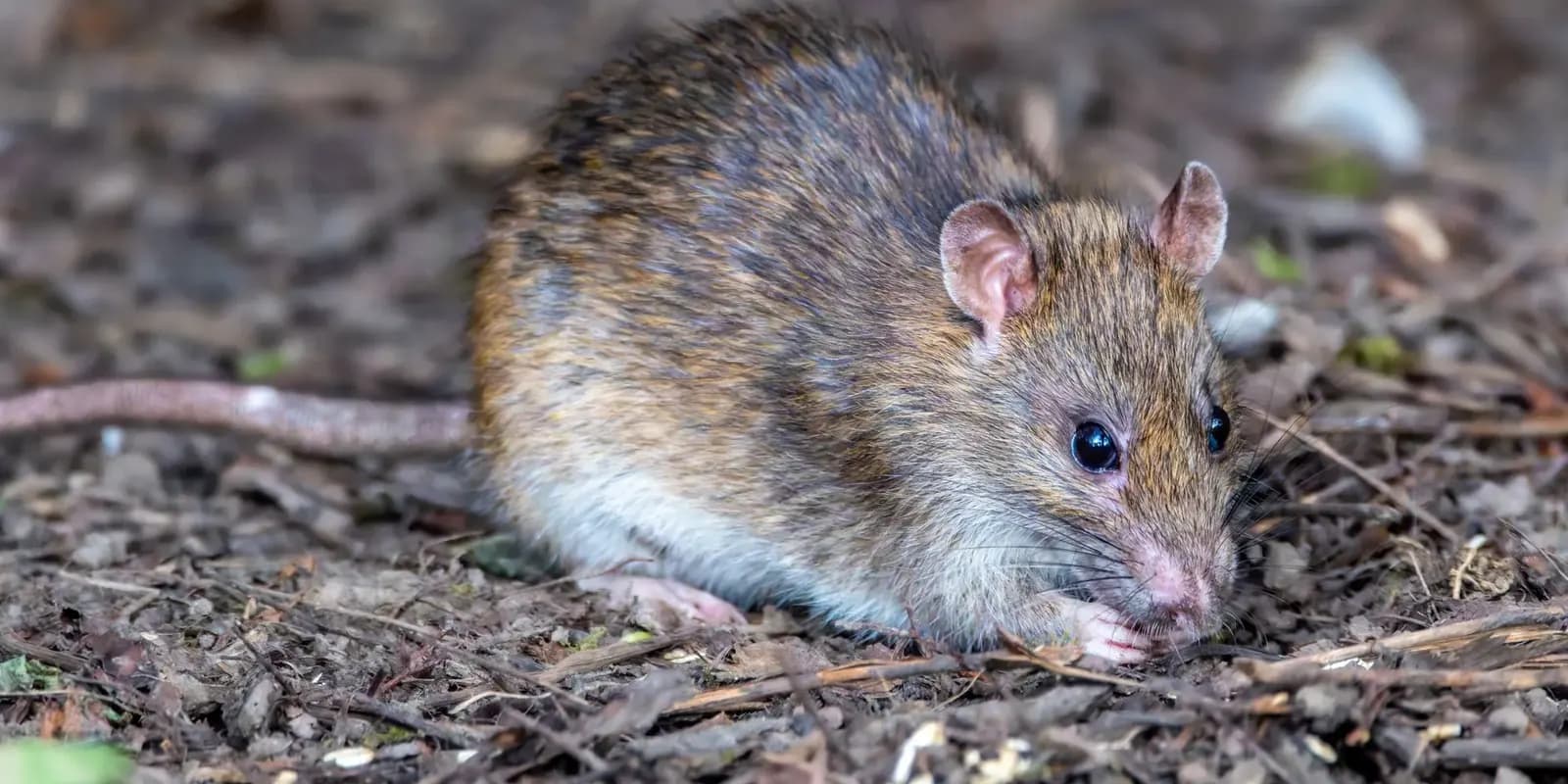
Brown rats live in sewers and move through pipework that is damaged or badly connected. Rentokil lists the main ways in (Rentokil):
- cracks in damaged pipes;
- gnawing at weak joints;
- uncapped or disused pipes;
- old, cracked clay pipes.
The BPCA adds that problems often start with a defective drain, a dry line that wasn't capped off properly when an extension was built, or drainage altered to add extra utilities (BPCA). Once a rat finds a way out of the pipe, it can reach the soil around the house, the space under suspended floors, wall cavities and boxed-in pipework.
Can rats come up the toilet?
It is possible, but it isn't how most rats get into homes. To reach a toilet, a rat has to climb the soil pipe and pass through the water in the toilet's trap. Far more often, rats escape through a break in the underground drainage and then find a way into the building. If you do see a rat in a toilet, close the lid, keep children and pets away, and get the drains checked: it shows rats are active in the pipework serving your home.
What are the signs of rats in your drains?
- Scratching or scurrying noises in walls, ceilings, under floors or around boxed-in pipes.
- Droppings, greasy smear marks or gnawed materials near pipes, kitchen units or airbricks.
- Burrows next to drains, inspection chambers or patios.
- A strong, stale smell that doesn't go away.
- Drains that keep blocking or smelling. Rentokil links persistent blockages with rat activity in damaged pipes.
- Rats that come back even after pest control treatment.
The last sign matters most. If bait or traps clear the rats but they keep returning, the way in hasn't been found and fixed.
How do you find where rats are getting in?
A drain investigation looks for the route rather than the rats. It usually combines:
- A CCTV survey – a camera travels through the pipes to spot cracks, open or displaced joints and redundant connections.
- Smoke or dye testing – harmless smoke or coloured water shows where drains leak or connect to places they shouldn't.
- Chamber checks – the engineer lifts inspection covers to look for missing stoppers, broken benching and signs of rat movement.
The survey also shows whether each defect is in your private drain or in a shared pipe, which affects who pays for the repair.
How do rat blockers work?
A rat blocker is a one-way (non-return) valve fitted inside the drain, usually in an inspection chamber, so that waste flows out but rats can't travel back up the pipe. Rentokil describes non-return valves as devices that "allow water and waste to flow out but prevent anything from flowing back in" (Rentokil drain solutions). Many designs use a hinged flap that swings open for the flow and closes again once the water has passed.
The Building Regulations recognise the approach. Approved Document H (para 2.22) lists rodent-control options including sealed drainage, intercepting traps, "one way valves in underground drainage" and fixed gully covers.
A rat blocker works best as part of a wider fix:
- repair cracks and open joints with patch lining or relining;
- cap or remove redundant pipes. Approved Document H notes that disused drains "provide ideal nesting sites for rats" and says they should be disconnected near the sewer, with shallow ones (under 1.5 m) removed and deeper ones sealed and grout-filled (paras B.17–B.18);
- replace missing stoppers, broken gully grids and damaged chamber lids;
- keep the valve accessible so it can be checked and cleaned.
What does a rat blocker cost?
There's no national price guide for rat blockers, but specialist firms publish their prices. These are other companies' published figures, shown for context:
| Item | Published price | Source |
|---|---|---|
| Rat blocker supplied and fitted | £200–£300 + VAT, depending on pipe size | DrainBoss |
| Rat blocker per entry point | From £220 | Sewerfix |
| Rat drain survey including a barrier | From £695 | Sewerfix |
| Surface rat treatment (two visits) | £120–£240 | Checkatrade |
The real cost depends on how many access points need a valve, the pipe size and whether repairs are needed first. Our current prices are on our price list.
Who deals with what?
- Your own drain. Pipework that serves only your property and sits within your boundary is your responsibility, so the survey, repairs and rat blocker are usually yours to arrange.
- Shared drains and public sewers. Pipes shared with neighbours, and pipes beyond your boundary, have been the water company's responsibility since 1 October 2011 (Citizens Advice). Across Nottinghamshire and most of Derbyshire and Leicestershire that's Severn Trent, which takes sewer reports on 0800 783 4444. Our guide to who is responsible for a blocked drain explains the rules in more detail.
- The rats themselves. A pest controller deals with the infestation; drainage work stops rats getting back in. Tackling both together gives the best result.
How can you make your home less attractive to rats?
Drainage repairs close the route, but good housekeeping removes the reasons rats come looking:
- keep food waste in sealed bins and don't leave bin bags out overnight;
- avoid overfilling bird feeders, and clear up spilled seed;
- keep gully grids and inspection covers in place and in good repair;
- don't pour fat or food scraps down sinks, which feed rats in the pipes;
- ask builders to cap off any pipe they disconnect during an extension or kitchen refit.
Rats can carry disease, so stay safe: wear gloves, never handle droppings with bare hands, keep children and pets away from any bait, and don't try to lift heavy or stuck manhole covers yourself.
When to call a professional
Call us if rats keep coming back after treatment, you can hear them near pipes, or you've found burrows beside a drain. Our rats-in-drains service uses CCTV to find the entry points, then fixes them with patch repairs, capping of redundant pipes and rat blockers. If cracks or failed joints are part of the problem, drain relining seals them from the inside without digging.
A CCTV drain survey costs from £120 + VAT with a written report. There's no call-out fee, the price is agreed before work starts, and repairs such as lining and patching come with a 12-month guarantee. Book online or call 07300 600 950. We work 7 days a week, 6am–8pm, across Nottinghamshire, Derbyshire, Leicestershire and Lincolnshire.
Sources
- Drainage inspections for rodents (BPCA)
- Brown rats in sewers and drains (Rentokil)
- Drain solutions (Rentokil, PDF)
- Approved Document H, 2015 edition (gov.uk, PDF)
- Who is responsible for repairing drains and sewers (Citizens Advice)
- Sewer pipe responsibility (Severn Trent)
- Drain rat blocker installation (DrainBoss)
- Rat drain proofing (Sewerfix)
- Rat exterminator cost (Checkatrade)
Frequently Asked Questions

Need A Drainage Engineer?Book Online Today